Where the Popcorn Lives on the North Shore
North Little Rock's residential story maps almost perfectly onto the sprayed-texture era. Park Hill, the neighborhood Justin Matthews began laying out in 1922 along what became JFK Boulevard, filled in heavily through the 1940s and 1950s — and its later blocks include some of the earliest ranch houses in the metro, the exact style that embraced sprayed acoustic ceilings as it spread. Lakewood, Matthews' follow-up act around the lakes and the Old Mill, hit its stride after the war and carried construction well into the 1960s, midcentury homes with the low rooflines and open plans that builders finished fast with texture rather than trowel work.
Keep moving outward and the odds only climb. Levy's modest postwar cottages and infill, the streets around Amboy and Sylvan Hills, and the big 1960s-and-70s ranch tracts of Indian Hills north of McCain Boulevard sit squarely in the decades when popcorn was the default ceiling in Arkansas tract building. Sherwood and Jacksonville, growing along Highway 67/167 through the same era — with Little Rock Air Force Base feeding steady demand — round out the picture. If your north-shore home predates the early 1990s and still has its original ceilings, there's a strong chance at least some rooms wear texture worth testing before anyone touches it.
The exception proves the rule: Argenta's historic downtown blocks are largely older than the popcorn era entirely, with plaster ceilings that call for a different conversation. A pro who works both sides of that line will tell you which house you own before quoting a scope — build year first, lab plan second, price last.
Why North Little Rock Homeowners Take It Down
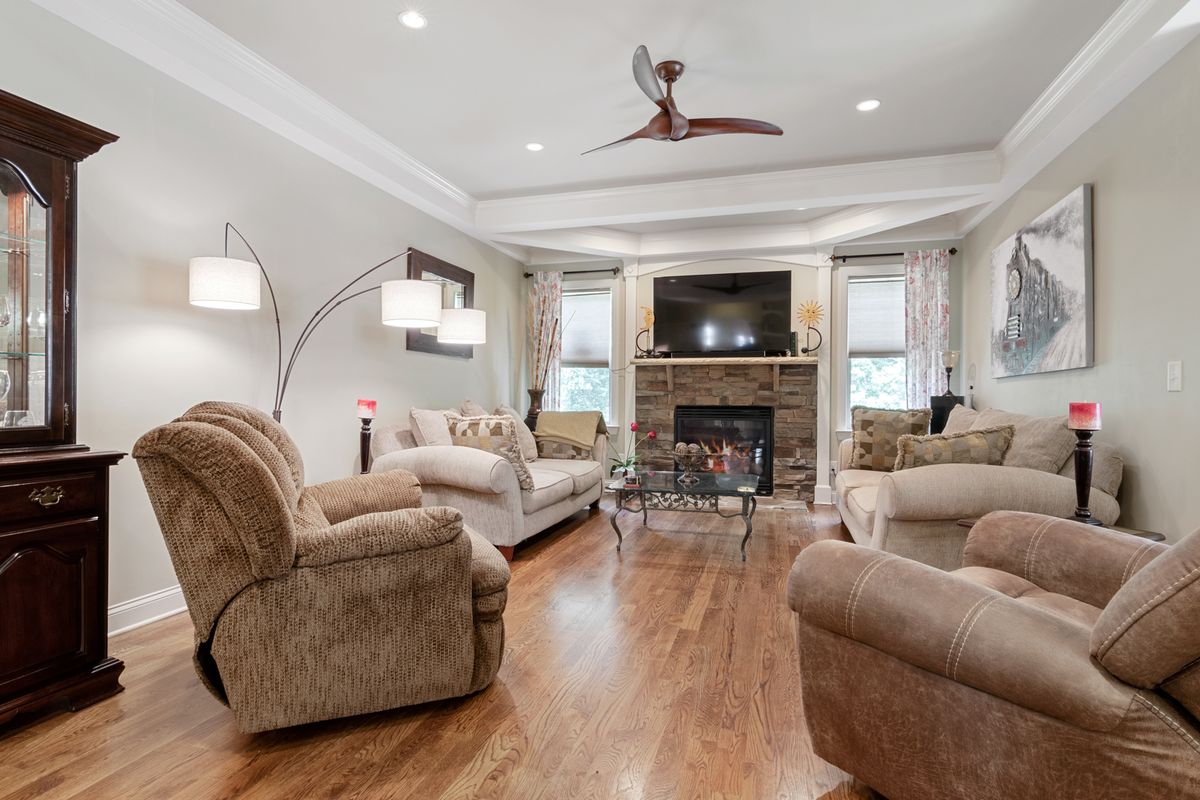
Light, mostly. Park Hill and Lakewood homes trade heavily on midcentury charm, and nothing undercuts that charm like a gray, crumbly ceiling scattering shadows over original hardwoods. Removal is the single change that makes those rooms photograph the way they deserve.
Water history, second. A half-century of Arkansas storm seasons leaves marks — rings around bathroom vents, halos below once-leaky valleys. Porous texture holds every stain forever; one removal project, finished with sealing primer, wipes the whole record clean.
Resale, always. North Little Rock listings compete directly with renovated stock across the river. Smooth ceilings quietly move a house from the “needs updating” mental column to the “move-in ready” one before a buyer consciously notices why.
The Same Careful Sequence, House by House
Age check and free quote
Tell us the neighborhood and rough year built — a Lakewood 1958, an Indian Hills 1972, a Sherwood 1985 — plus approximate square footage. That's enough for an honest number and a clear answer on whether testing comes first.
Lab test on pre-1990s texture
Sprayed texture from North Little Rock's biggest building decades can contain asbestos, and only an accredited lab can say. Samples out, results back in days, and the plan follows the evidence. How testing works.
Containment, then removal
Plastic seals the work area — floors, walls, vents — before the texture is wetted and scraped. The wet-scrape mess stays inside the containment, not in your ductwork or on your furniture.
New finish, fresh paint
A skim coat first, then whichever surface you pick — smooth or textured — followed by sealing primer and new ceiling paint. Any repairs uncovered along the way are priced plainly, not sprung later.
Worth Knowing About Older North Shore Ceilings
Two quirks come up often here. First, many Park Hill and Levy homes have been repainted several times since midcentury, which means painted-over popcorn — removable, but slower and priced accordingly, as the cost guide explains. Second, some 1940s-era houses mix plaster ceilings in original rooms with drywall-and-texture in later additions; a good assessment identifies which is which, because the right technique differs. Neither situation is a problem. Both are reasons the quote follows a real conversation about your specific house rather than a one-size price per square foot.
A Snapshot by Neighborhood
Park Hill
Cottages and early ranches from the 1930s-50s along the JFK corridor. Expect mixed ceilings — original smoother finishes beside later textured rooms and additions — and assume any sprayed material is old enough to test. Painted-over texture is the norm here, which shapes the price more than the square footage does.
Lakewood
Midcentury through 1960s, with larger plans, split-levels, and the occasional vaulted great room near the lakes. Prime popcorn territory from its best building decades; removal plus a smooth finish suits these houses' architecture exceptionally well.
Levy & Amboy
Modest postwar stock and steady infill — smaller footprints that make whole-home projects surprisingly affordable, since 900 square feet of ceiling scrapes fast. Water-stain repairs ride along often in these older roofs.
Indian Hills & Sherwood
The 1960s-80s ranch belt north of McCain. Textured ceilings were near-universal at construction, trending lighter and easier to remove in the later years — but the earlier streets still sit inside the test-first window.
What North Shore Projects Tend to Cost
The same Central Arkansas math applies on this side of the river: unpainted, asbestos-negative texture generally scrapes for about $1 to $3 per square foot, refinishing and paint add a similar band, and painted texture or vaulted rooms push toward the top. Levy's compact homes often produce the metro's friendliest whole-house totals; Lakewood's bigger plans land higher on sheer area. The cost guide holds the full breakdown and a worked example, and your own number — the one that matters — comes from a free quote against your actual rooms.
Coverage Across the North Side
The service area takes in all of North Little Rock — Park Hill, Lakewood, Levy, Amboy, Baring Cross, Rose City, and the Indian Hills corridor — plus Sherwood, Jacksonville, and the newer edges out toward Maumelle. Landmarks help: if you're inside a short drive of Burns Park, the Old Mill, or the McCain Mall corridor, you're comfortably covered, and the Big Dam Bridge crowd on the north bank counts too. Projects south of the river run through the same service — see the Broadmoor & University District page for the midtown story.
Living in the House While It Happens
Nearly every north-shore project is done owner-in-residence, and the logistics are more comfortable than people expect. Work proceeds behind sealed plastic one zone at a time — bedrooms first while the family lives in the front of the house, then the swap — and the noisy, messy stages (scraping and sanding) are daytime work measured in hours per room, not days. Pets need a closed door away from the action; anything hanging on walls near doorways is worth taking down before the crew arrives; and the HVAC keeps running throughout because the registers inside containment are sealed off individually. By the final afternoon the plastic is gone, the floors are cleaned, and the only evidence is the ceiling itself. Owners of Park Hill's smaller floor plans sometimes book two consecutive days away and come home to a finished house — either rhythm works, and the schedule conversation happens before day one, not during it.
North Little Rock Questions
My Park Hill house is from 1948 — is popcorn even likely?
Possibly, in later rooms. Late-1940s construction often started with smoother finishes, but additions, garage conversions, and 1960s-70s remodels frequently brought sprayed texture into older homes. Plenty of Park Hill houses carry both. An assessment sorts it room by room, and only the sprayed material needs the asbestos conversation.
Do you handle Lakewood's taller and vaulted ceilings?
Yes. Split-levels and vaulted midcentury great rooms need staging and add some labor, which the quote will show transparently. The process is otherwise identical — test, contain, scrape, refinish — just with taller ladders.
Can one visit cover removal plus a couple of storm-stain repairs?
That's the ideal way to do it. Containment and refinishing overlap so much that folding stain and crack repairs into a removal project costs far less than booking them separately. Mention the stains when you request the quote.
How fast can a Sherwood or Jacksonville project start?
Same scheduling as the rest of the metro — typically within days for single rooms, a bit longer for whole homes, with the asbestos lab turnaround running in parallel on older houses. Distance up Highway 67/167 isn't a factor.
Ready for Smooth Ceilings on the North Shore?
Free quotes for North Little Rock, Sherwood, and Jacksonville through an insured, state-licensed local pro who samples before scraping and leaves nothing behind but the ceiling.